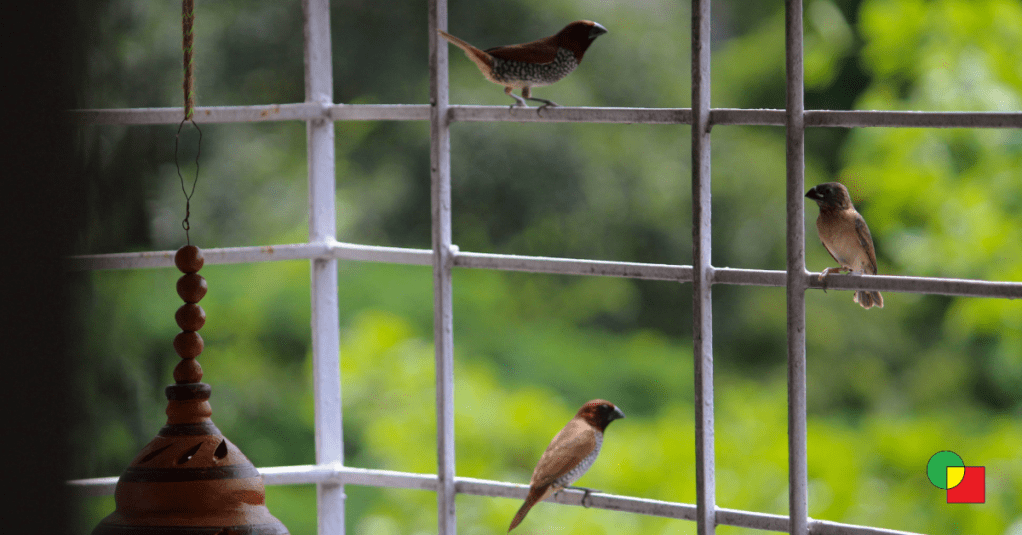
A few years ago I saw a very beautiful view. Five small killis (Birds) coming out from their nest one by one and joining their Mom and Dad waiting on the balcony grills. And then, all of them flew away together.
Before this a batch of munias, a batch of bulbul, and a batch of a sunbird type had already successfully nested in this same balcony.
The 4th Flying Squadron ( A few members missing in the pic.)
A Home in the Wires
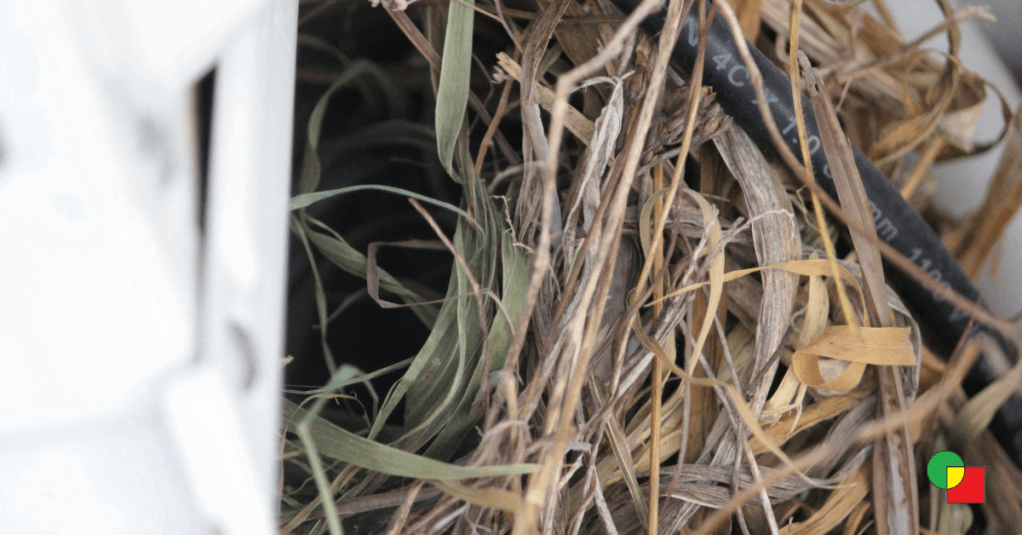
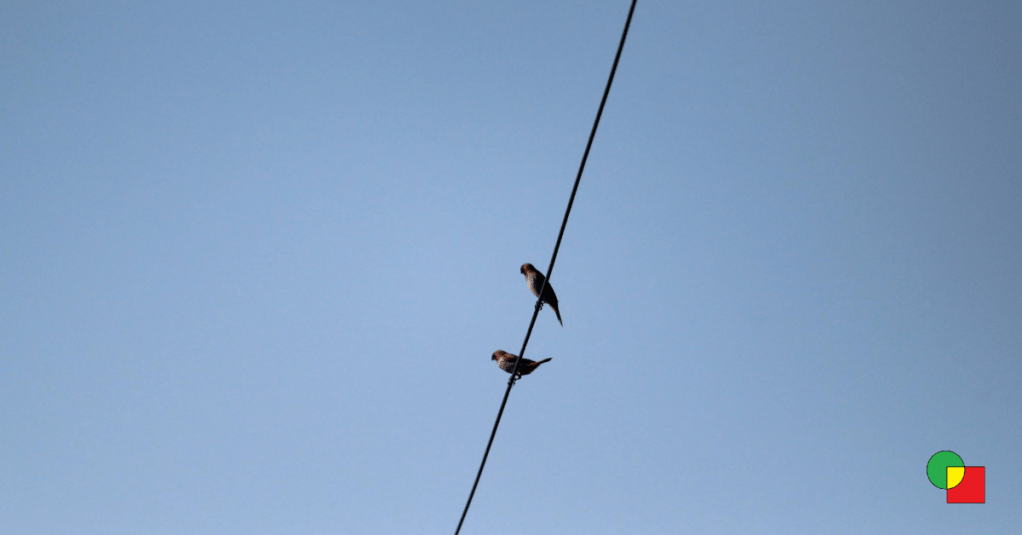
Those Kunji killis (small birds) were born right next to us, in the AC wires. Their nest was made out of the grass in our own balcony garden. The parent killis were coming regularly for hatching, and once they were born, we were waking up to their chirping. As the morning sun rises and the brightness slowly increases, their chirping also increases – maybe for breakfast- I assume. This continued for about 10 days.
The nest which produced 5 killis
Facing the Nest
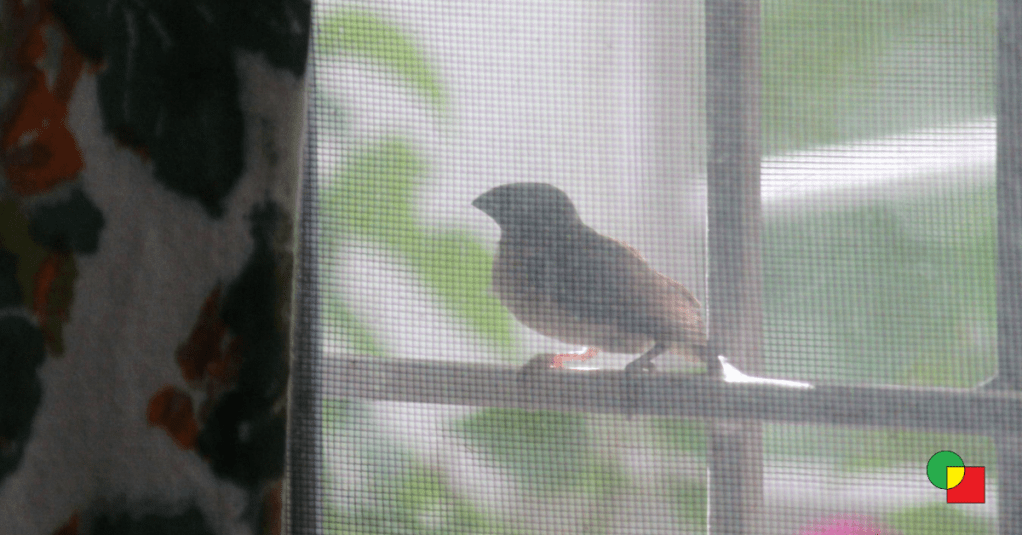
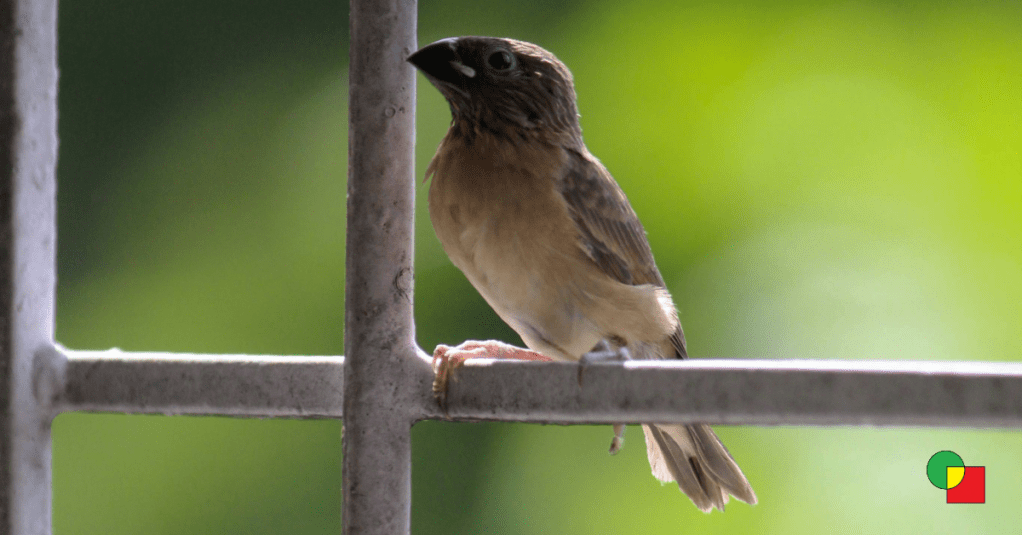
Then, one day I saw a small killi at our window… frightened, not knowing where to go, unable to let go the grill and nest. It stayed in the same position for hours. I could see its heart pounding heavily.
First sight
Later, it sat on the balcony grill just a meter away.
I could almost feel its heart pounding as it sat there for hours, not yet knowing it was born to fly.
But all this while, I noticed one thing: it was facing the nest all the time.
I assume, with my experience, that it may be the fear of the unknown. We all face it, but we forget it easily. Whatever we do at present, we once feared to do: our first walk, talk, writing, or expressing emotions. Learning to run, using a computer, riding a cycle, bike, or car—we all went through it.
They Never Left
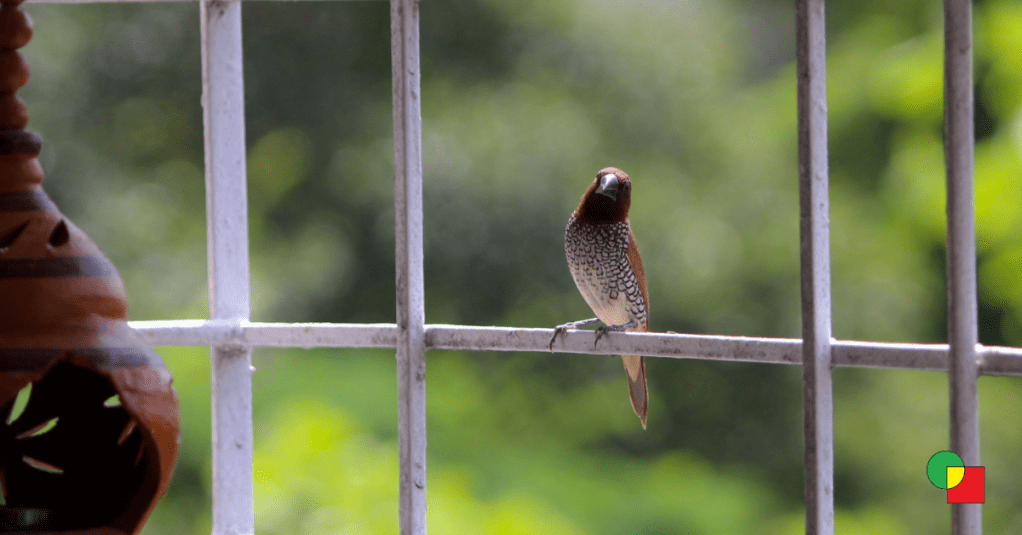
When I saw the parent killis coming often to check on the hatching and once they were born, coming with food the parents took roles. I assume the father waited and guarded at the outside grill, while the mother went inside to feed them.
The parents always stayed close to our balcony; they stayed at the top of the tree and kept a watch over us. They were tiny creatures compared to us, but they also had the same emotions as our parents. They motivated the small ones to come out.
The Watchful Parents : They never stopped keeping a watch over their tiny squadron and bring food.
Two Weeks and Two Decades
This reminds me of our parents and how they cared for us. For these killis, it was just two weeks. For me, I can easily say it was close to two decades… I was dependent on my parents. Such sightings help to remind us how small, dependent, and frightened we once were.
The Flight I Didn’t Photograph
At the end, the parents and the five killis flew from the balcony together. I never imagined there would be this many killis from such a small nest! I saw it and felt relaxed; I didn’t even bother to take a picture. The memory of that flight is still with me, and that is the reason I am writing this piece. But they never returned back to their nest.
We All Start Like This
We often forget that everything we do today, we once feared to do. Whether it’s a bird’s first flight or our first decade of life, we all start small, dependent, and frightened.
It took two weeks for the killis to fly, and two decades for me. We all start with that same pounding heart.
This blog isn’t a complete answer to that question. Instead, consider it an attempt to unravel the small questions, the wonders, and the curiosities I’ve carried with me for a long time. So this is not a conclusion, but rather a trail of questions and some answers from my perspective.
Before I dive into the big topic of India’s diverse temples, it wouldn’t feel right to start without the ones I frequented while growing up.
Kottayi: Where my questions began
Many of our core thoughts originate in childhood. I spent most of mine in Kottayi, Palakkad, and since my mom is an avid believer, I saw these temples, rituals, and beliefs through her eyes.
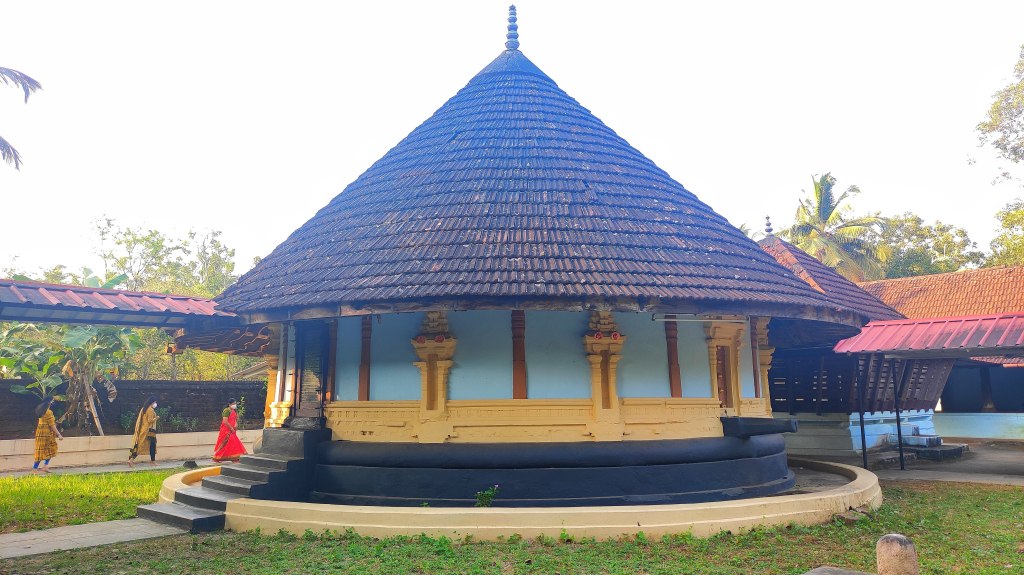
I wonder about the origin, structures, what’s inside the pond (Chembrakulam) and temples. Even now I wonder, Is there a fourth Temple? Why do some temples are having rectangle or circle as base structure? Why there is a big structure outside of some temples with varying heights.
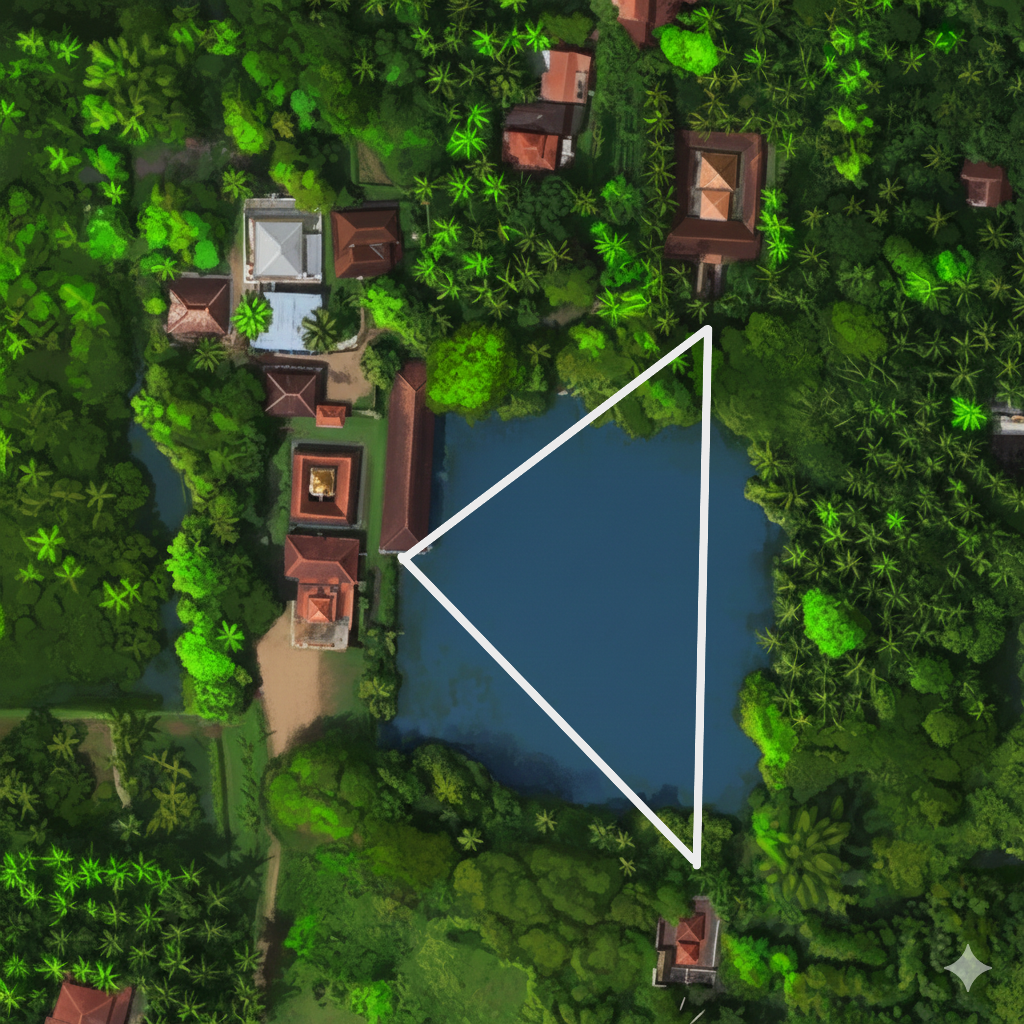
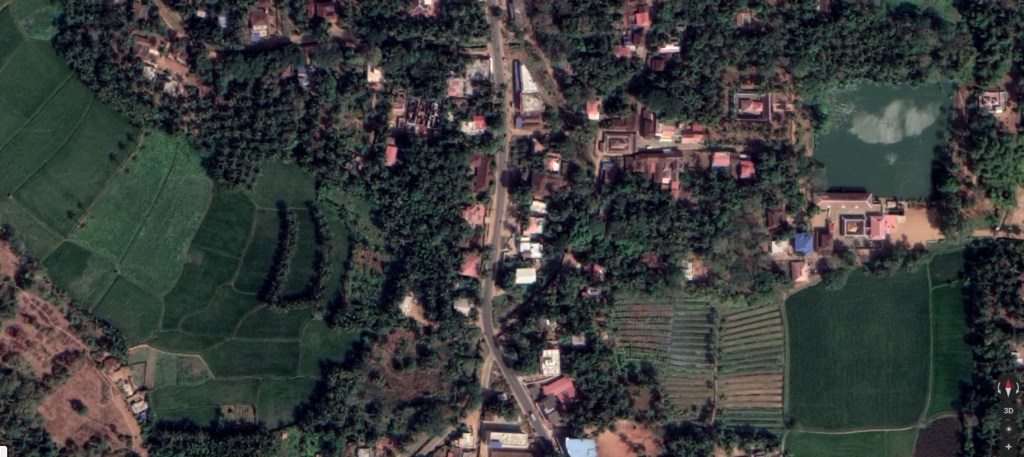
The Kottayi core, The Trio Temples (Ayyapan kavu, Shiva Temple, Krishna temple) around a big temple pond.
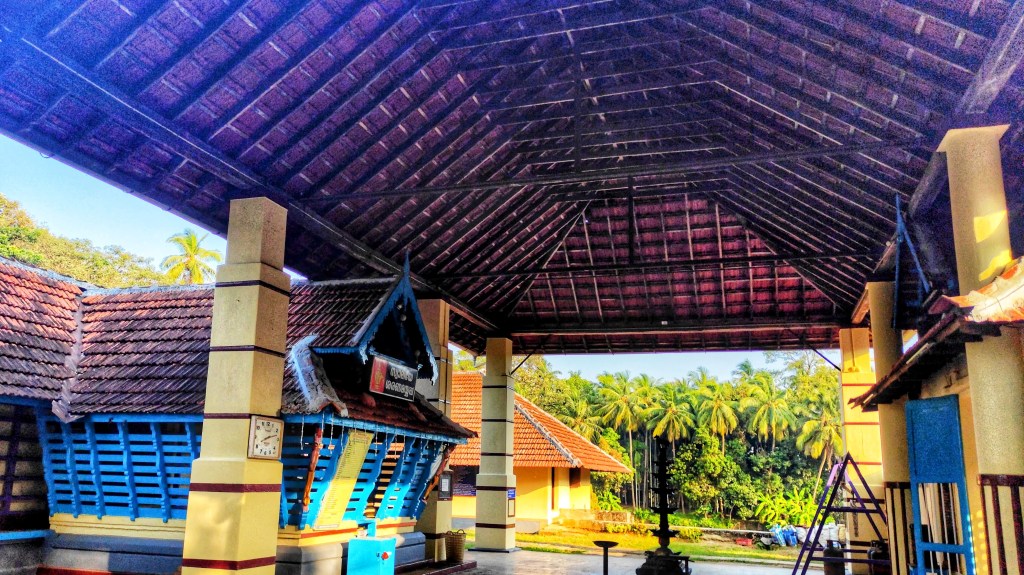
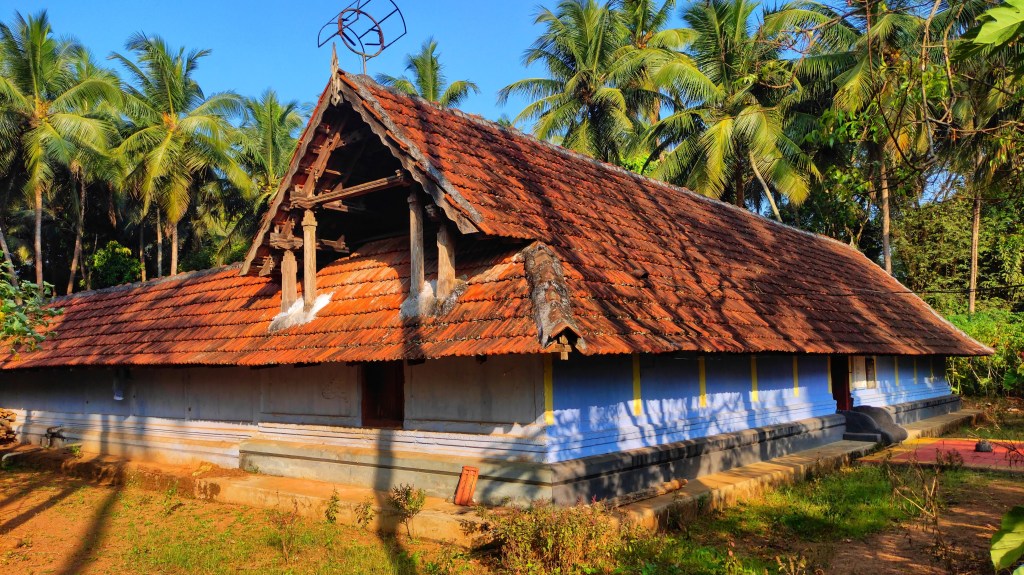
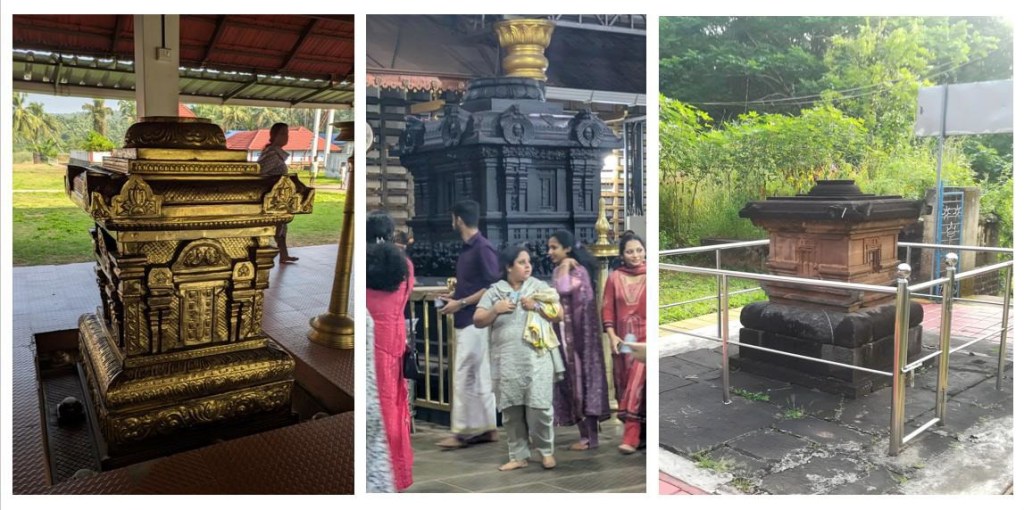
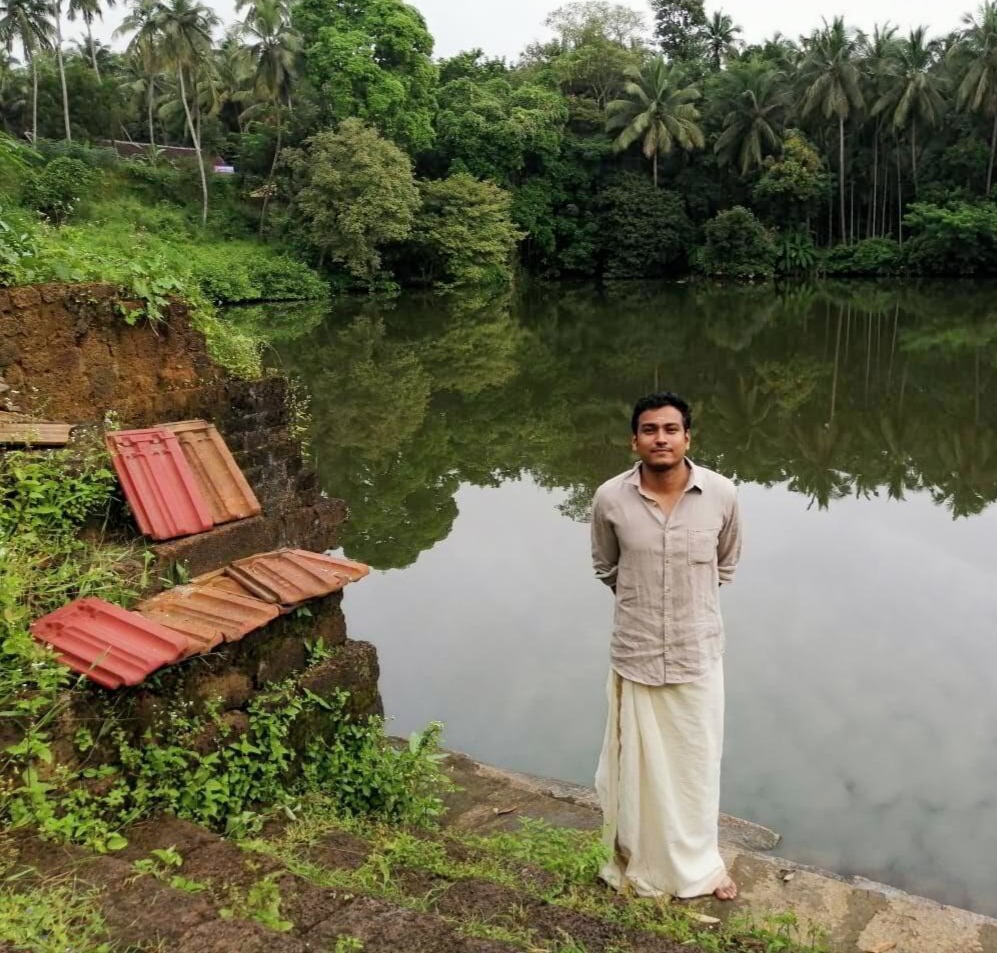
Ayyapan Kavu , inside view. “Kavu” primarily refers to sacred groves in Kerala, which are rich in biodiversity and associated with local deities, representing a deep cultural and ecological connection to nature, especially serpent gods (Naga).Krishna Temple, Narasimha Murthy Shiva temple, not part of this trio. But just a km from there.These structures are from Tirur, Kannur, Palakkad. This structure in front of the temple deities, are called Valliya Ballikallu. The Temple Pond and the greenery around. And me just blocking the view.
Etymology – What we really mean when we say “Temple”
To truly understand these structures, I explored the names we give them. Today, we use “Temple” as an umbrella word, but the word itself has a curious history. It originates from the Latin templum, referring to a consecrated, cleared space for worship.
I’m sure in India “temples ” were here even before Latin Language existed.
But as I looked at our local languages, I found layers of meaning that feel much more intimate and connected:
Ambalam(Malayalam/Tamil): While it means an open field or courtyard, a deeper meaning suggests a “stage of consciousness” – a wide-open space where the mind meets the divine.
Mandir(Sanskrit/Hindi): Derived from Mand (to be happy or celebrate) and Ira (earth or place). It is literally a place on earth to celebrate the joy of existence.
Kovil or Koil (Tamil): A combination of Ko (King or Divine) and il (Home). It treats the deity as the living, breathing ruler of the village, and the temple as their home.
Prasada: We often think of this as the food we receive, but in architecture, the entire temple structure is the Prasada. It means “Clarity” – the building itself is a tool designed to settle and clear the mind.
Kavu: The ancient “Sacred Grove.” Rooted in the idea of “protection”, it is the temple that wasn’t built, but preserved – a sanctuary where nature and the elements remain untouched.
And if you have visited them, you will understand why the name is spot-on.
Why we need a Temple?
In India, across every state and spanning millennia, there are temples. The public, Kings and the wealthy spent huge sums willingly (or perhaps unwillingly) to build them. I’m not interested in the specific customs, rituals that are been followed at present. I doubt If we have missed something over the generations – about the actual purpose of a temple.
Dogs, cats, birds, and fish don’t need temples; they simply live and die. Is it because humans—with our memory and intelligence—want to pass something down to the next generation? If these buildings might be a form of science, a way to transmit information across time. But did we actually receive the message?
When I asked people around me why they visit, one thing was clear: they go for peace of mind. They seek a calm state. Irrespective of religion or region, this seems to be the universal purpose.
What I am fascinated is its architecture. The mathematical precision, geometry, energy, geography, hidden messages .
Sensory Design: How the mind experiences
How one experiences a temple is deeply personal.
I’ve realized that old temples are almost always located in geographically significant places: near rivers, atop mountains, deep in jungles, or by the sea. Some say these are “energy zones,” though I am still unqualified to experience that at present.
We usually go to the temple in the morning or evening (sandhya), at that time the beauty of nature, people, temples are magnified.
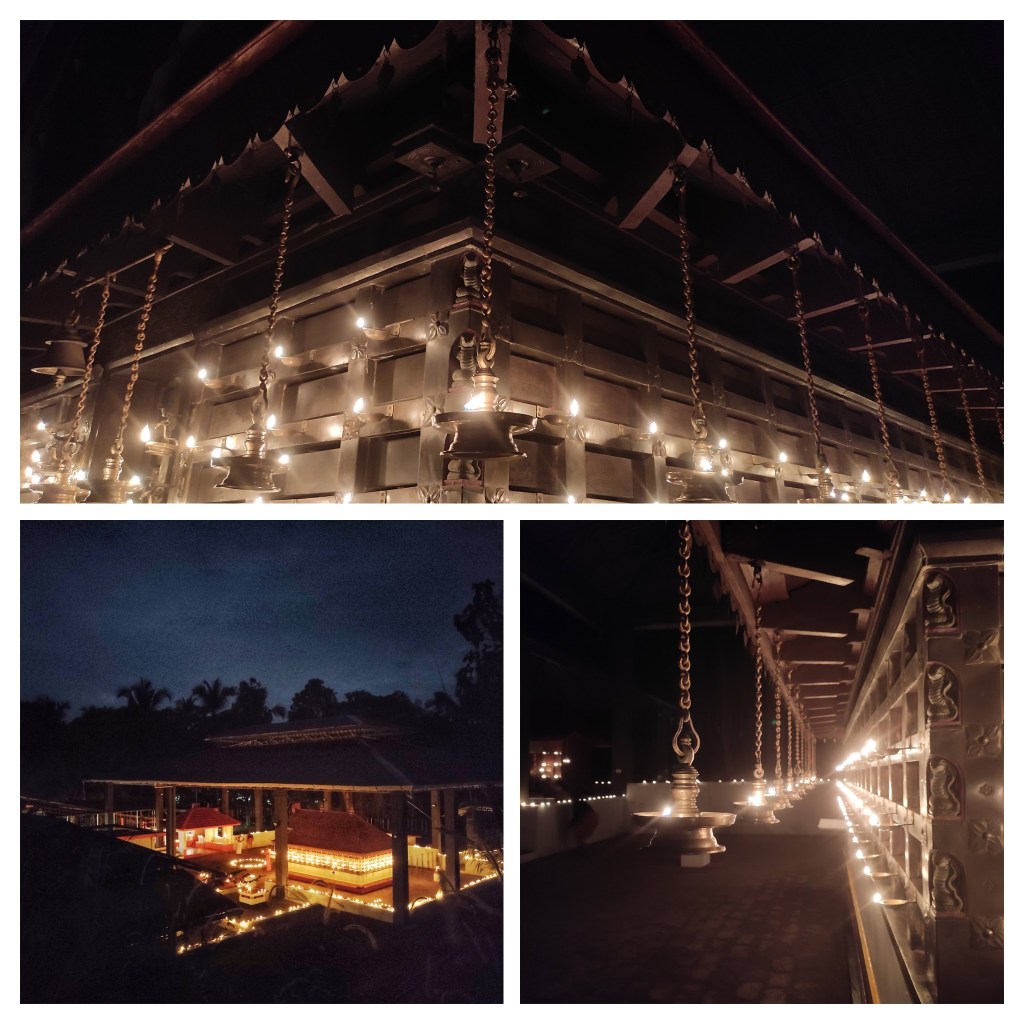
A temple at Kannur, Kerala at evening
In the temples of Kerala, I’ve observed a specific “conditioning” of the mind. The massive walls block out external noise. In the darkness of the sanctum, your senses are narrowed down to a few things: the flickering light, the scent of chandanam (sandalwood), tulsi, and flowers, the resonance of the bells. Outside, smell of camphor, nallenna (sesame/gingelly oil), ghee when the lamps are lit up. The visual beauty of the chutambalam(Outer enclosure) , when the array of thousands of lamps (Vilakku) are lit can’t be described, one has to experience it.
Amidst all these, the sound of stillness.
In the Temples of North or Western or Eastern India, based on what I have seen, the experience is more “democratic“. People can go right up to the idols and perform their own offerings. Here they sing bhajans together in a different, more vocal version of that same conditioning.
You can be alone or in a crowd, both are meditative, we lose identity of the self..
Evolution assumptions – The Shift: From nature worship
I wonder when the first version of temple existed- Is it when the human evolution reached a stage where it moved beyond the animal wisdom and started to settle at one place, started agriculture and stopped the nomadic way of life. Was a temple originally a place for worship, or was it a community hub to share art, craft, and information?
What could be the first form of worship – The pancha bhoothas – Fire, Air, Earth, Water, Space. I guess there was no need for a temple or architecture, they were happy with formless nature around, which they feared and valued.
Maybe much later the human-formed deities/idols came into existence. Before that the previous generation worshiped Forest, Trees, Rivers, Beaches, Mountains, Sun, Moon, Planets, stars.
Then there are as avatars, as vehicles of Gods : Fish, Monkeys, Elephant, Boar, Bull, Cow, Lion, Tiger, Cats, Rat, Crocodile-Makara , Birds ( Eagle, Peacock, Swan, Owl) and of course Snakes.
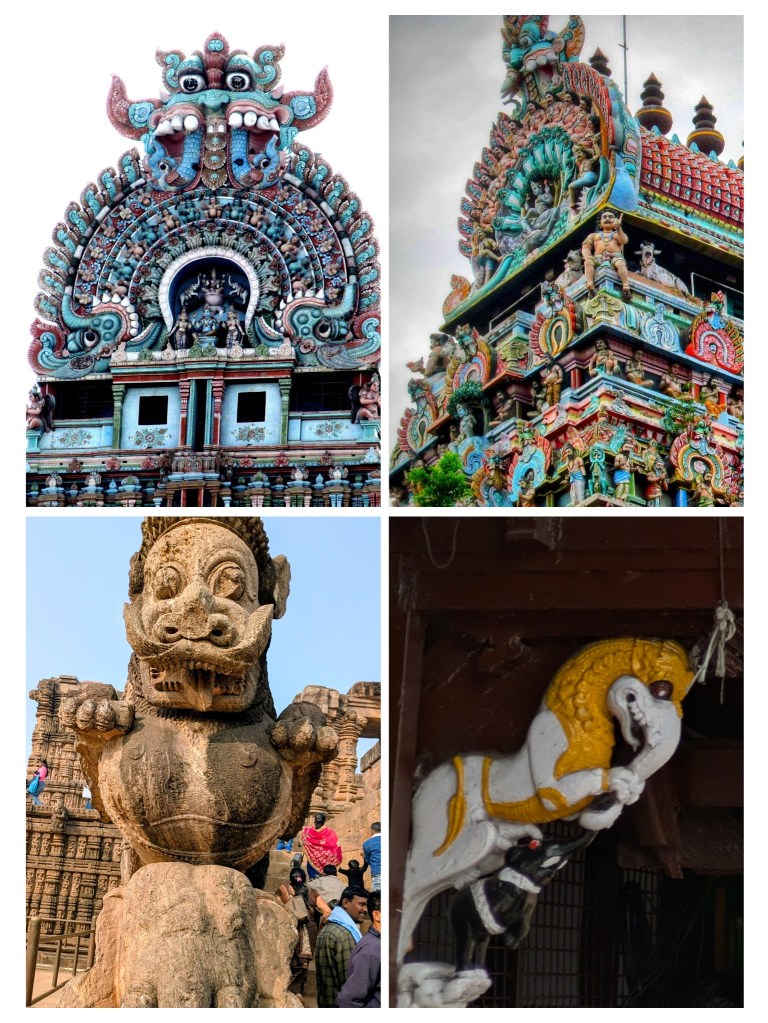
Then there are hybrid animals depicted in the temple stone/wooden carvings like Vyali, Bhairavan, Gaja-Simha, Naga-yakshi. But they act as protectors around the temple.
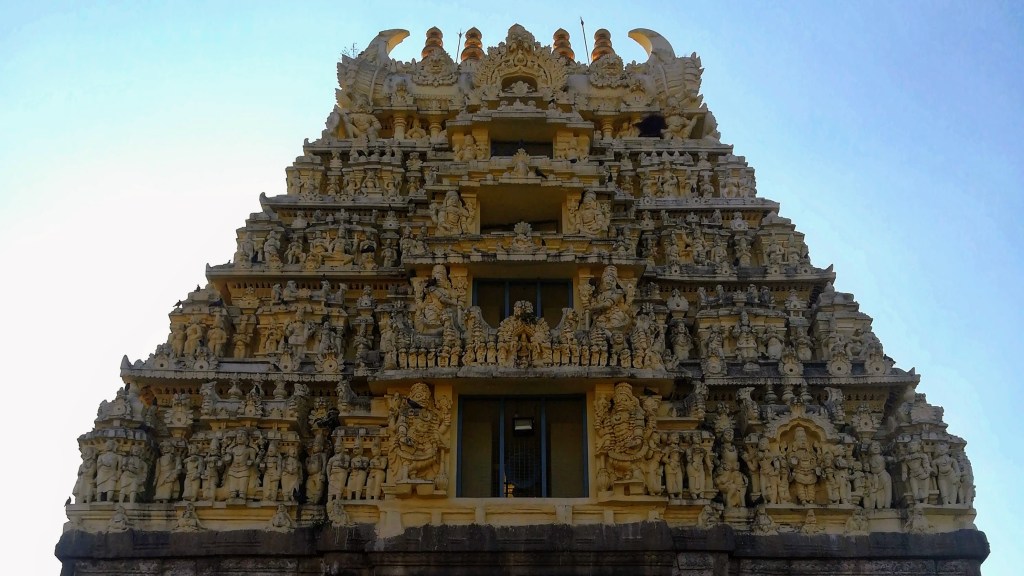
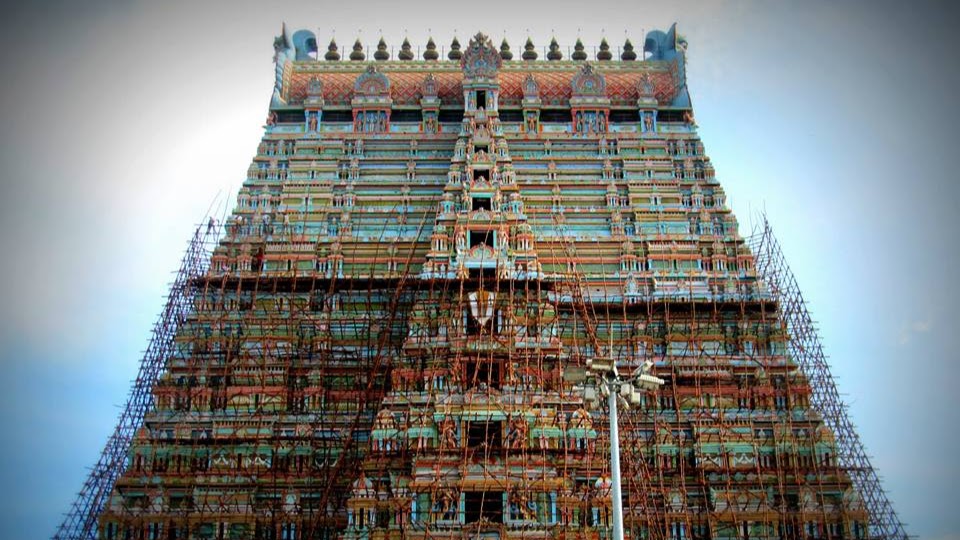
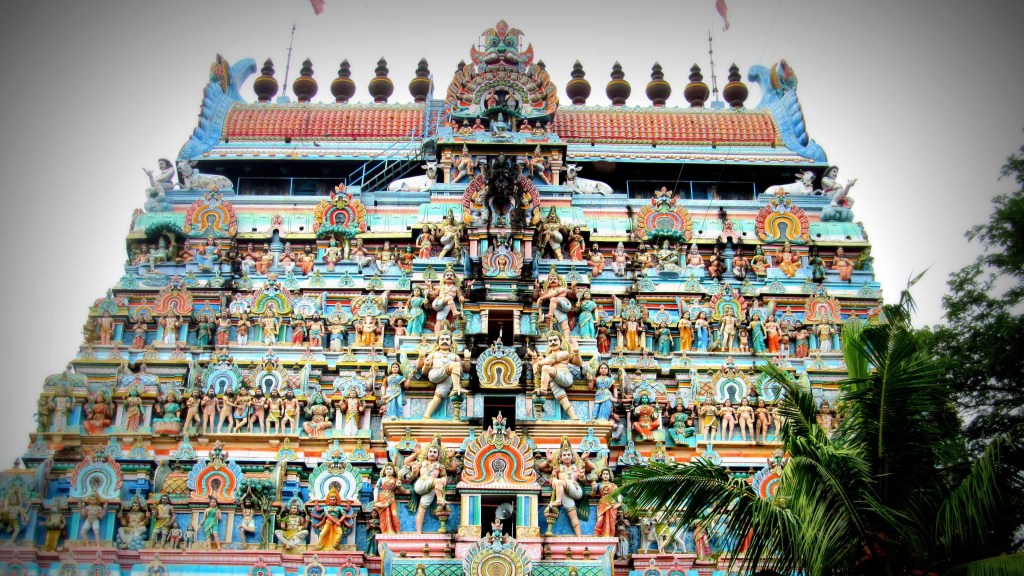
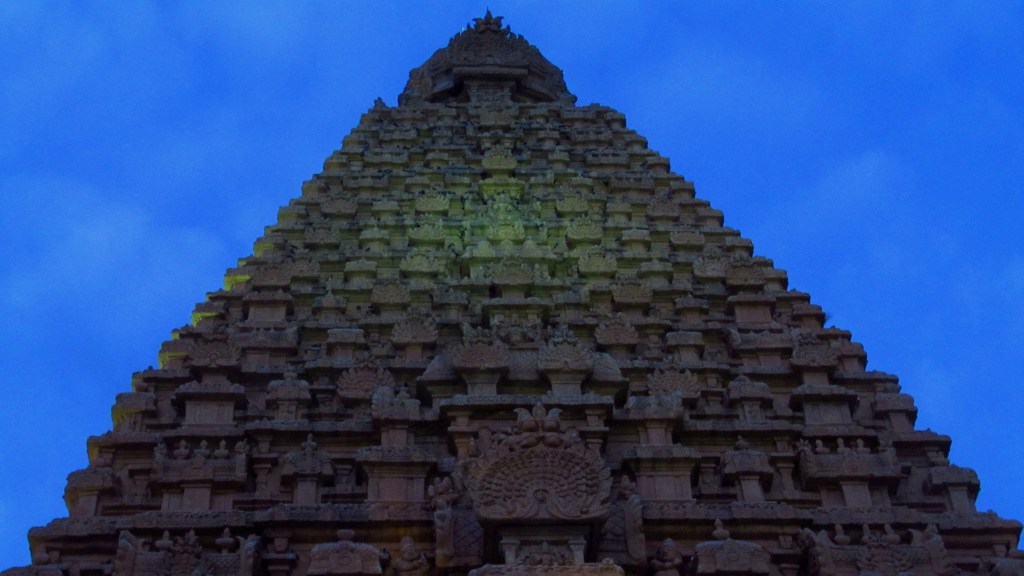
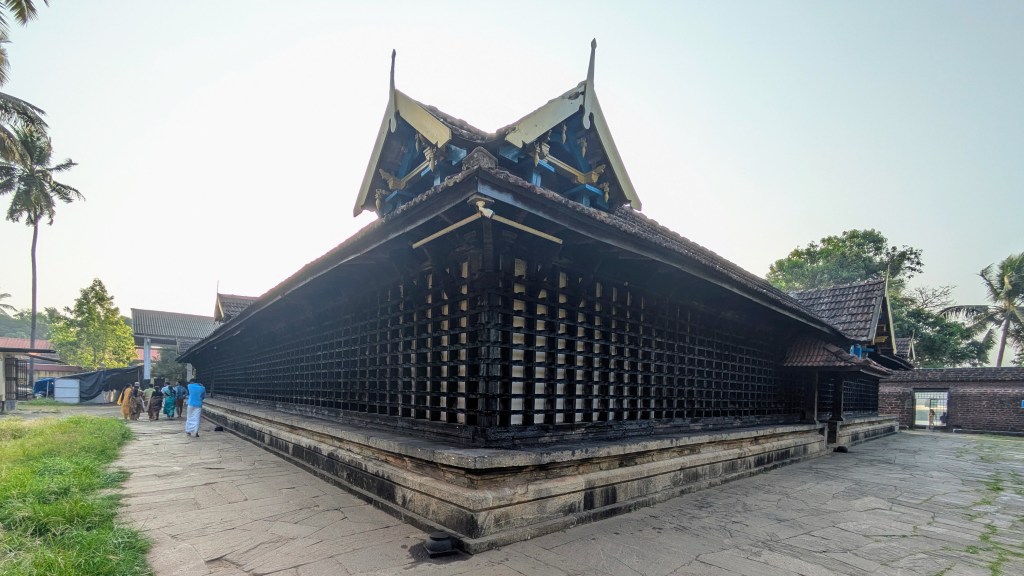
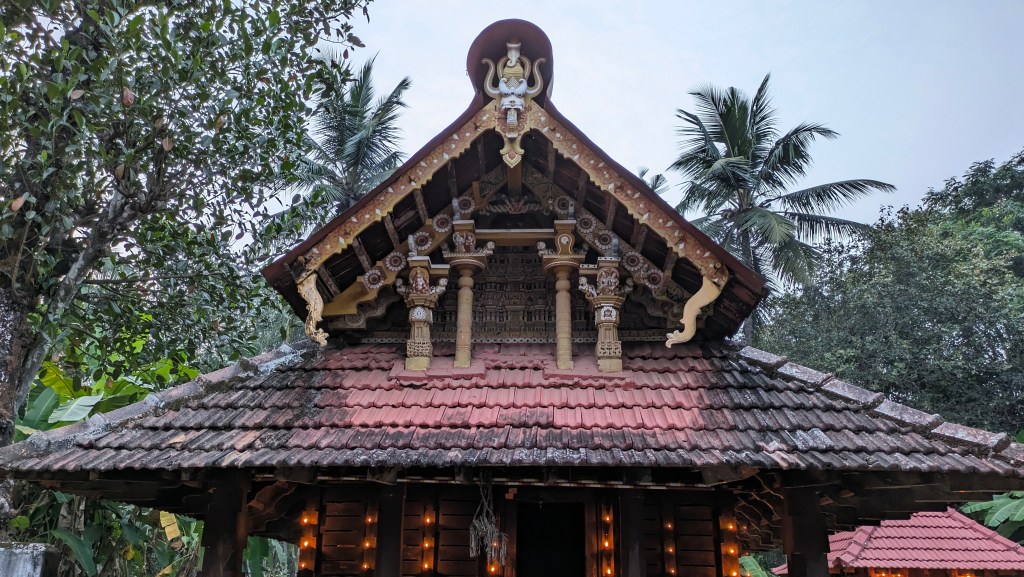
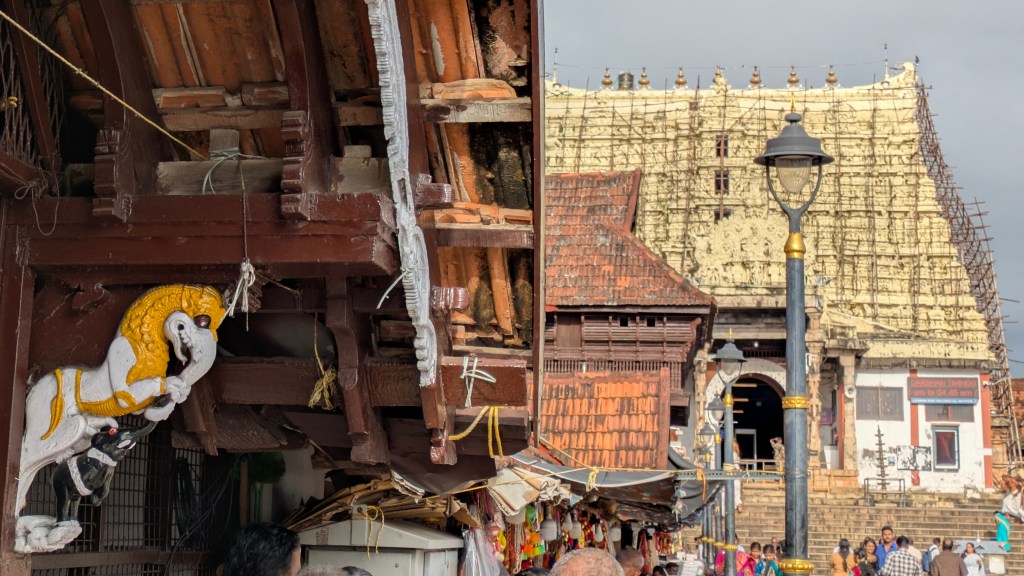
The top 2 images are from Tamilnadu Temples, The bottom left from Odissa, and the bottom right from the Padmanabha swamy temple compound.
This is where my questions become uncomfortable – even for me. A thought came , a what-if moment. Is it like when someone in power took what was once simple nature worship and turned it into a complex system of rituals and ‘science.’ By doing this, they effectively locked the common person/tribals out of the inner circle. Or indeed there was a science behind all these ?
“Nobody listened to Buddha; that is why there is Buddhism.”
– J. Krishnamurti
Back to Kottayi for a moment
I tried to search for the history of my childhood region, Kottayi and the Ayyappan Kavu. The information was minimal, only going back a few centuries. But the elders speak of at least 3-4 Pambin Kavus (Snake Groves) in the area. I remember visiting them as a child; I was horrified to go there even in broad daylight.
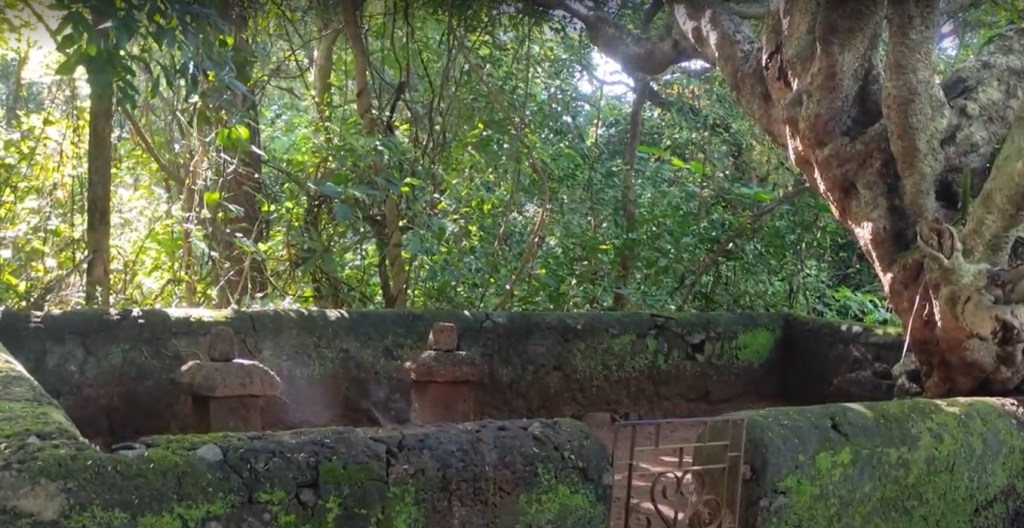
A Pambin kavu, with a cleared area for worship. This is the new version, quite less scary than the old times.
The local legend says someone found a stone from a Pambin Puttu (snake mound) and began worshiping it, eventually building a temple. Perhaps this is just a way of saying that what was once a dense, wild forest was slowly converted into a human settlement. I often wonder what that land looked like five centuries ago.
A Southward Journey Through Temples
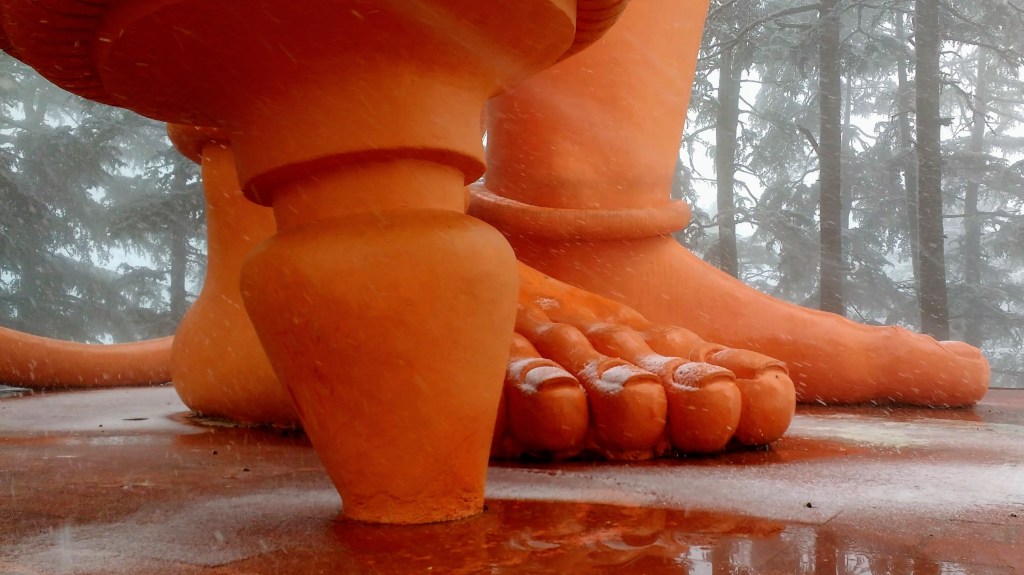
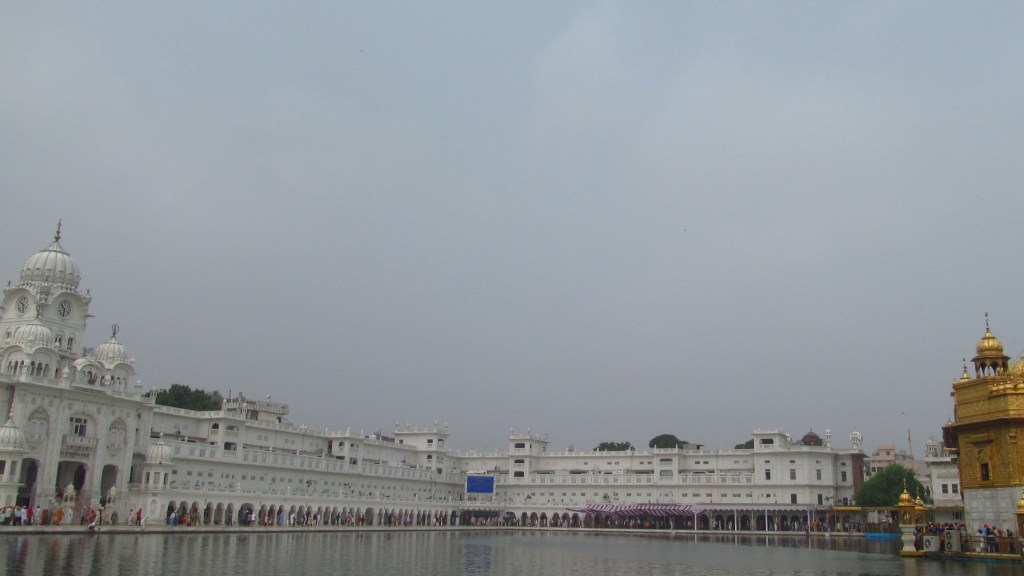
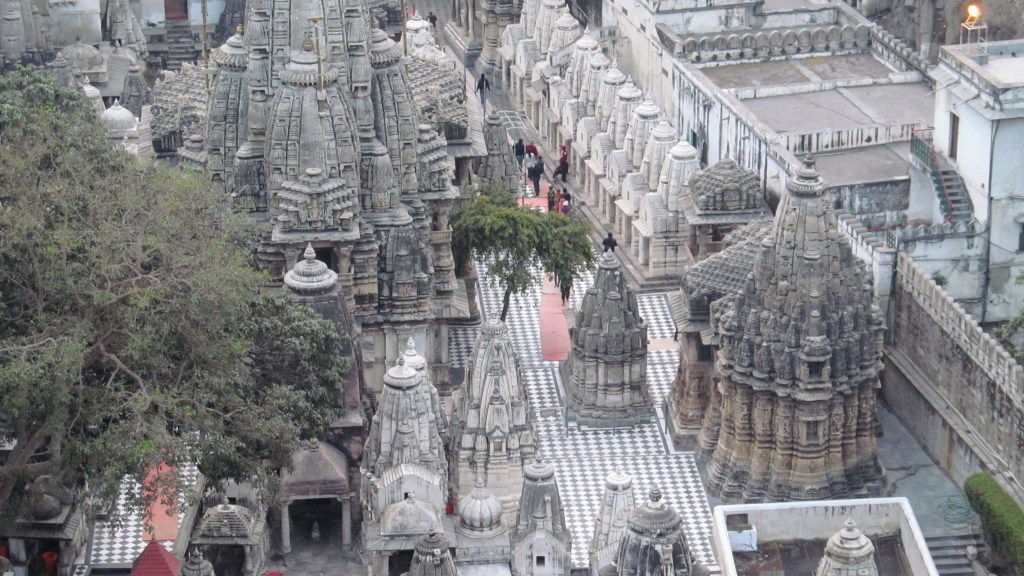
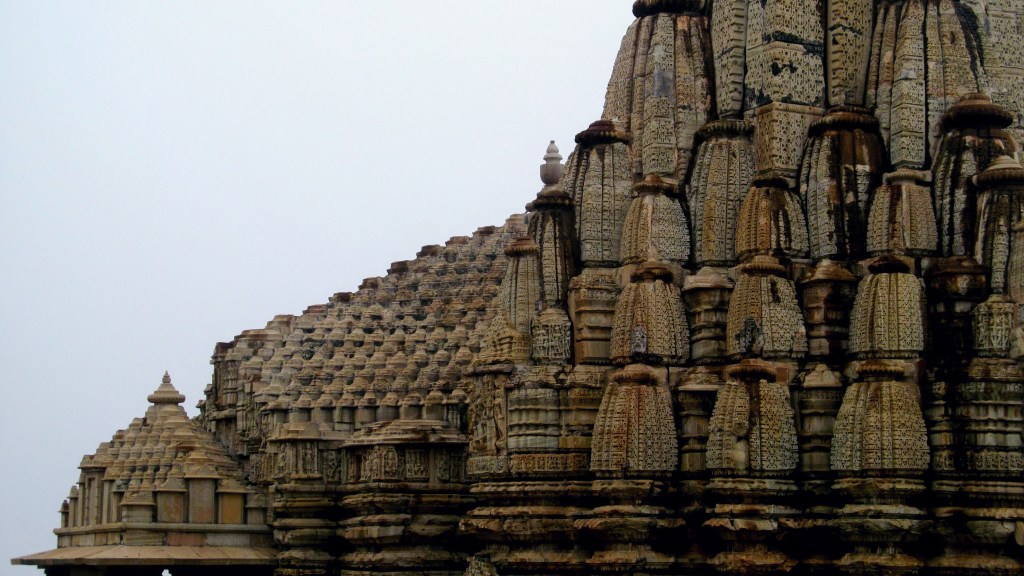
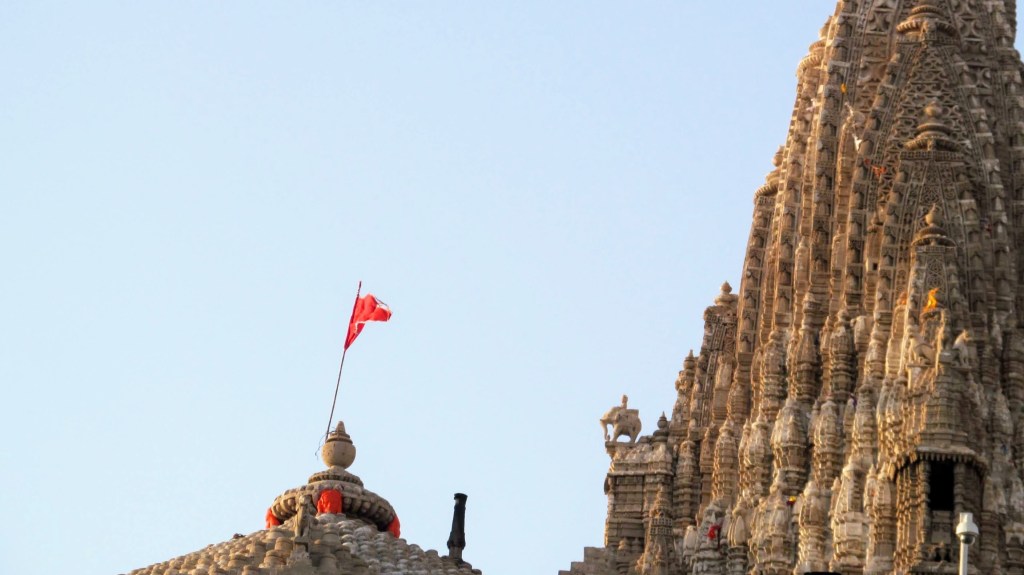
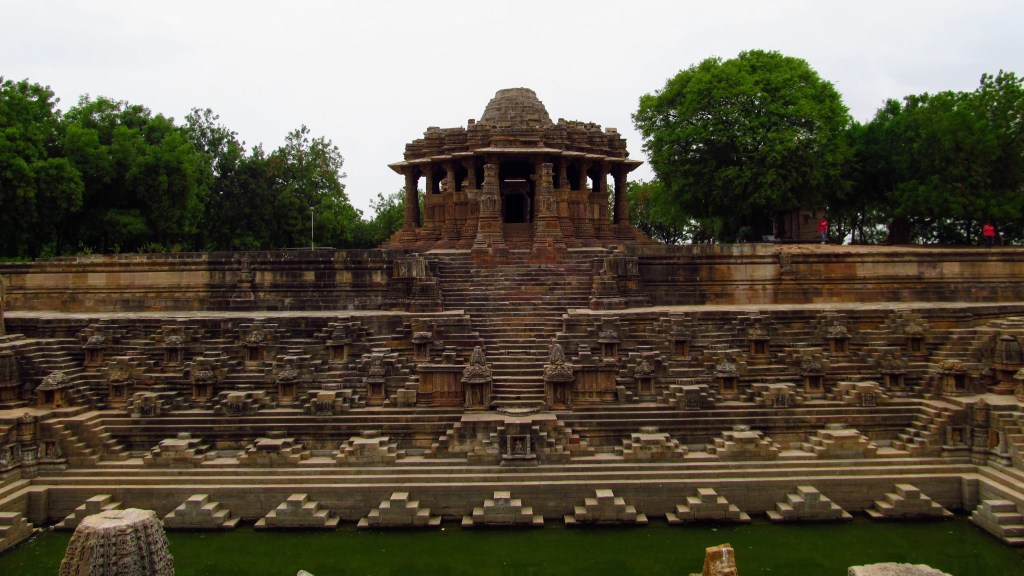
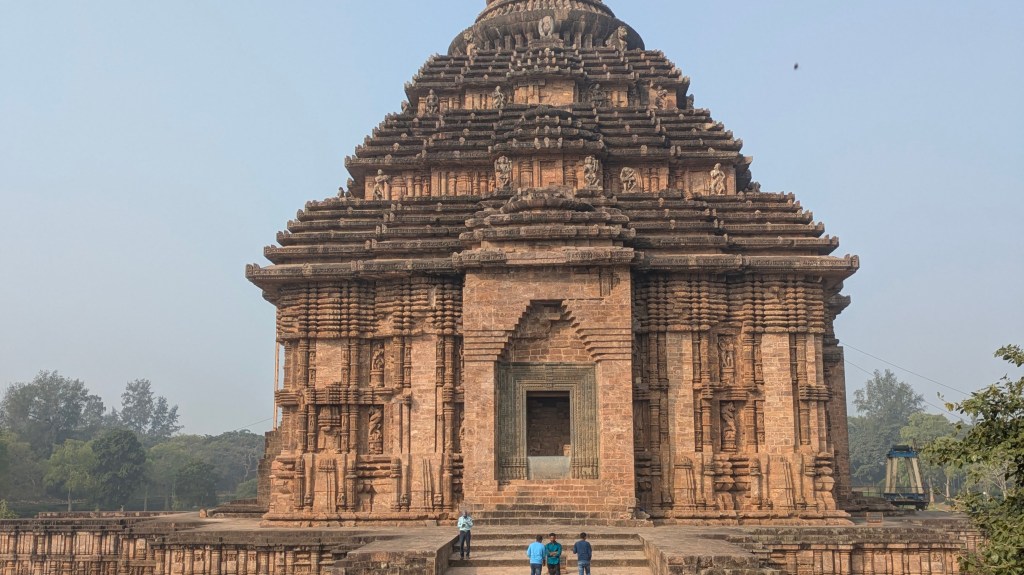
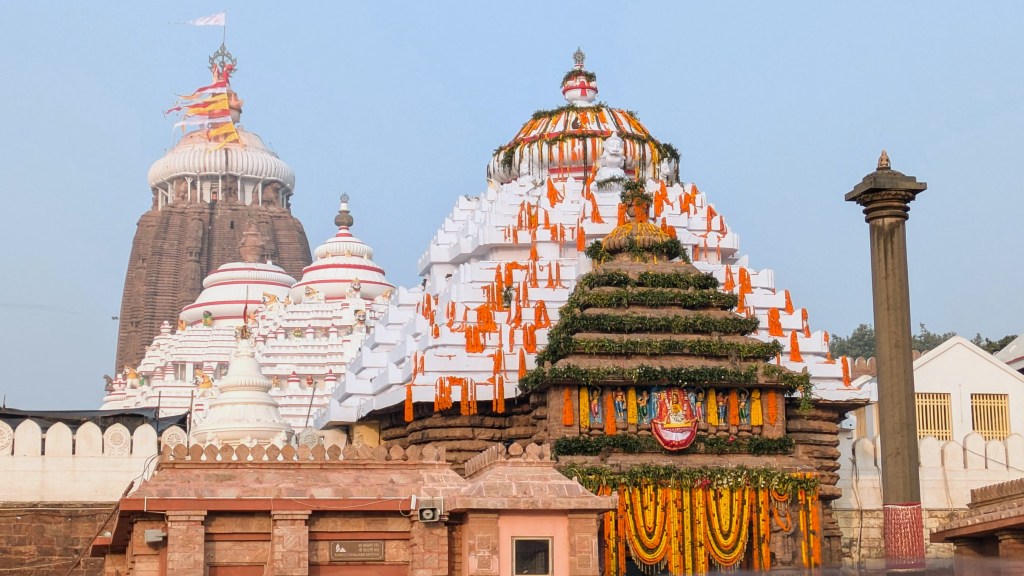
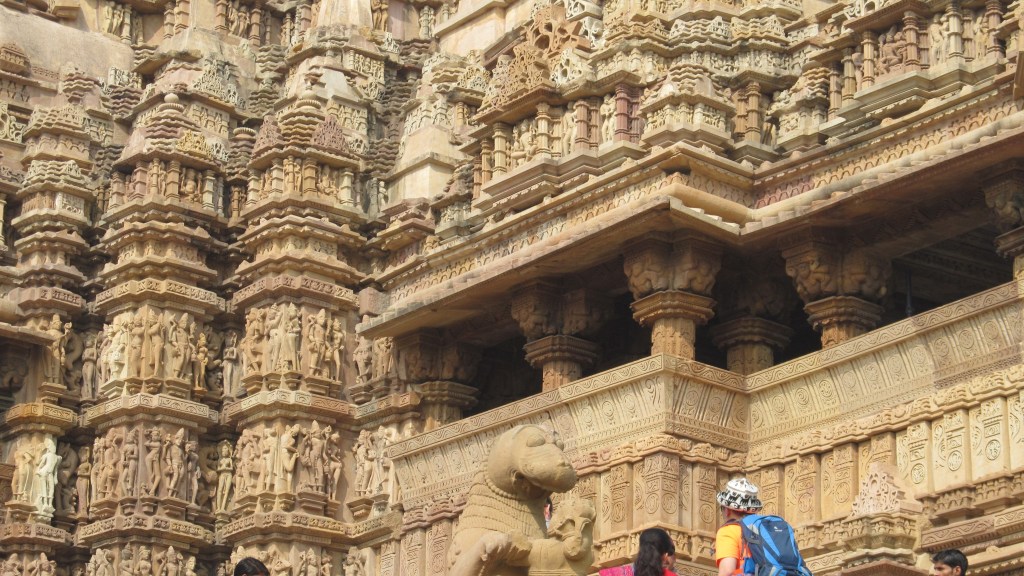
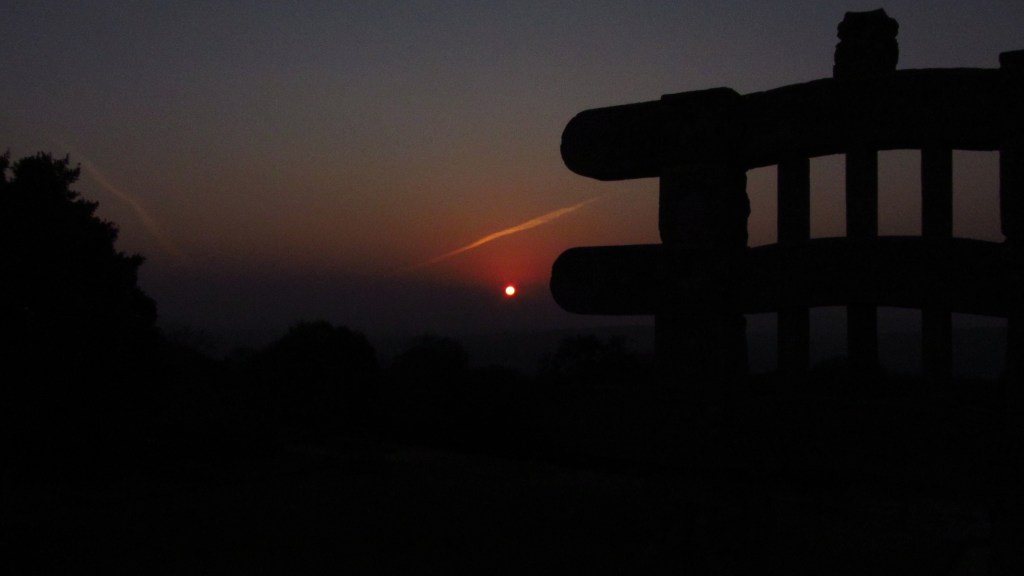
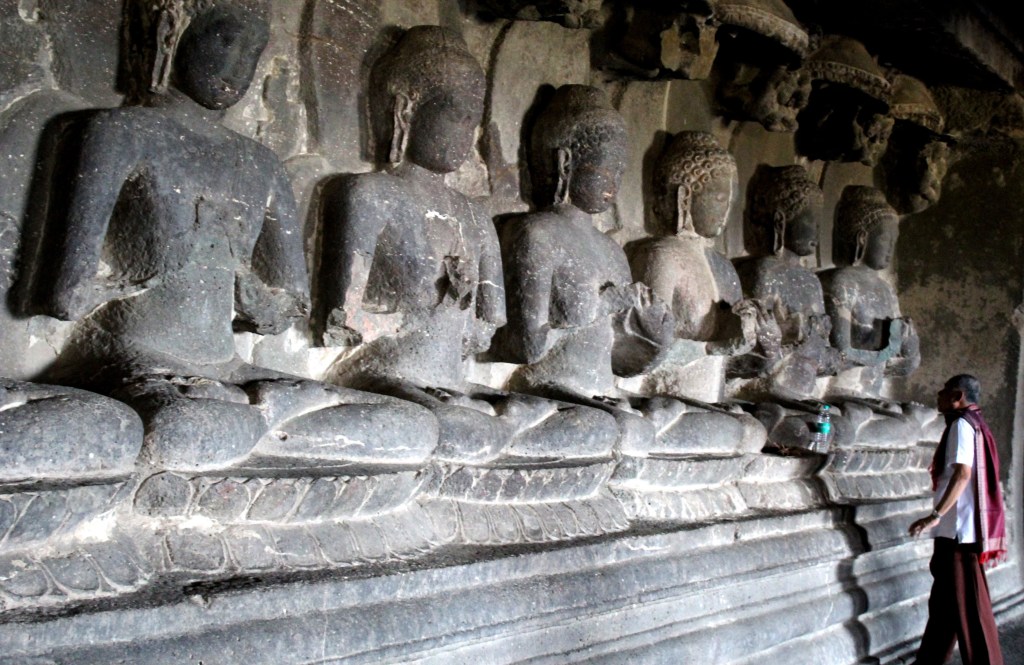
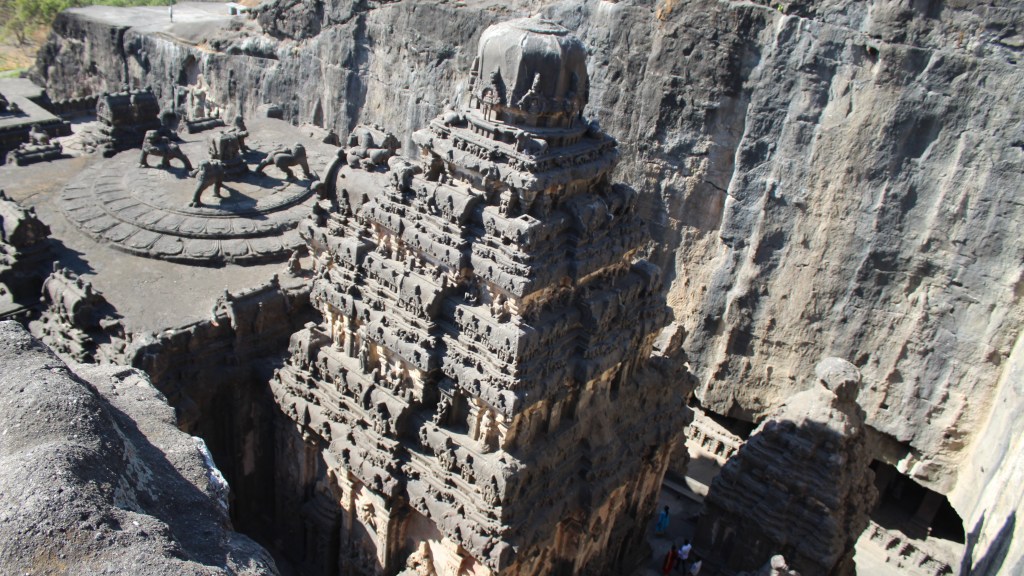
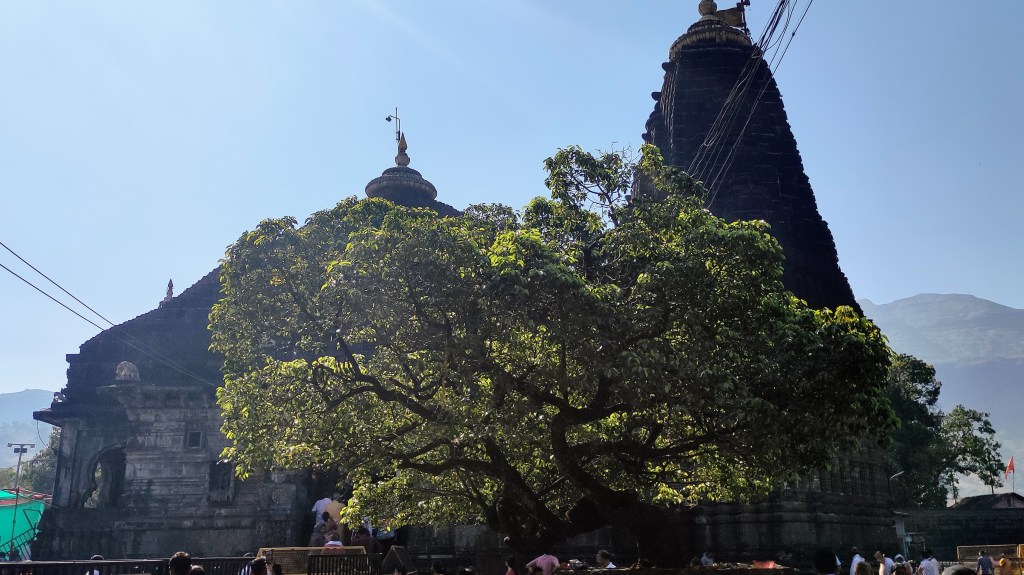
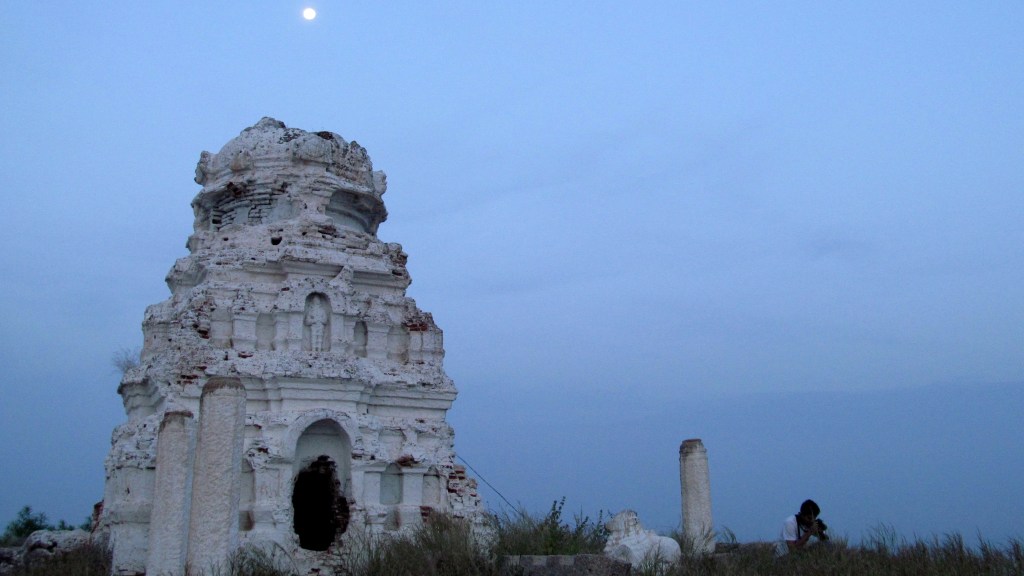
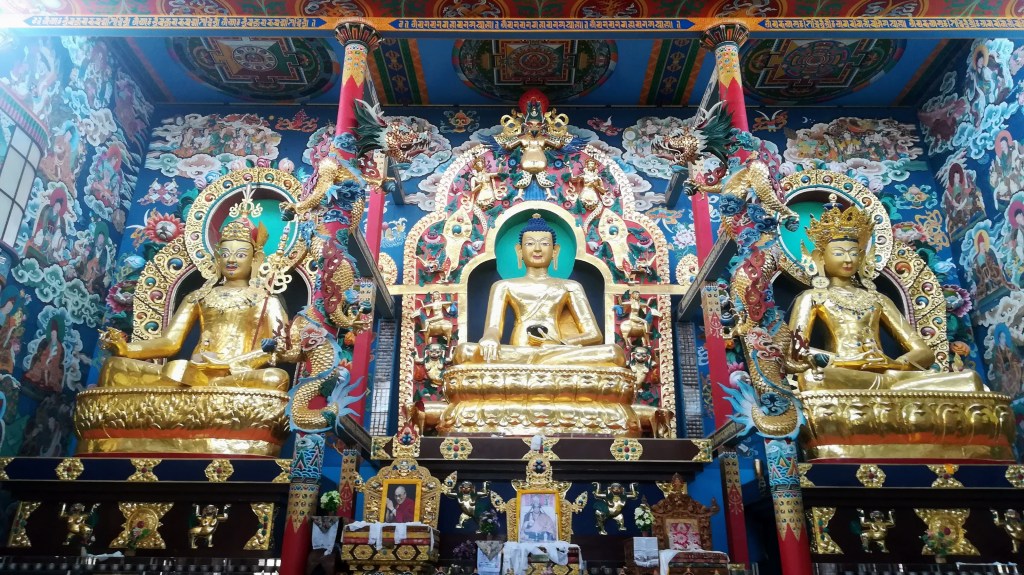
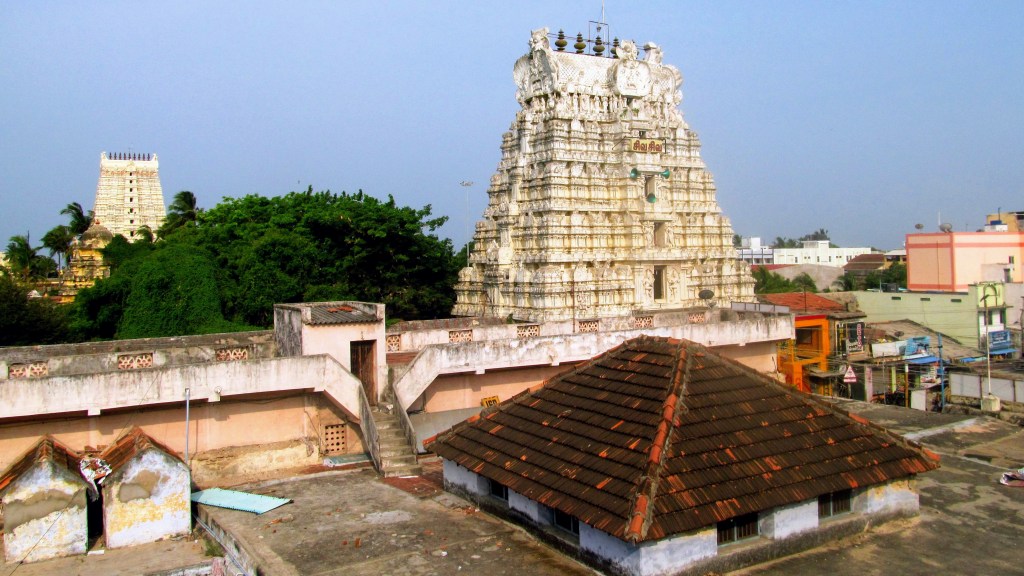
These images weren’t taken on a single journey. They come from years of travel, scattered across time. I’ve placed them here deliberately from north to south to let geography, material, and mood reveal themselves.
After arranging these temples by geography—from the North down to the South—the sheer variation in material, scale, and state is striking. Some are active centers of ritual; others are silent, non-operational monuments. We see different stones and weights, with some structures emphasizing openness and others shifting toward heavy enclosure. Looking at them together, I’m left with a question: beyond their current use or state of repair, was there a shared intent in their design? Could the way they manipulate space, light, and geometry be a deliberate attempt to alter a human’s state of mind?
Is it possible that these temples are not merely monuments to a deity, but a form of ancient ‘technology’ we’ve forgotten how to operate? I wonder if they were designed to be more than just buildings, perhaps they are instruments tuned to a frequency we no longer hear.
What if the stillness one feel isn’t just a product of own mind, but something engineered into the very structure? And looking further, I have to ask: why do so many of these structures seem to watch the sky? Is it a coincidence that their alignments often mirror the movements of the sun, the moon, and the stars, or were they built as synchronization tools—linking our small human systems to the vast rhythm of the cosmos?
If the ancient statement Tat Tvam Asi—that what you seek is what you already are—is the true destination, then could the temple be a mirror? Not a place to reach outward, but a device designed to turn our attention inward, until the boundary between the individual, the architecture, and the universal energy begins to blur?
In next blog, I want to explore these next questions: Do the Meru pyramid and the Sri Chakra act as a code for this connection between the earth and the stars? Is there a link between the geometry of the stone and the geometry of the self.” And is there a similarity between all the temples of India?
As children, many of us imagined what it would be like to fly. “What if I could fly?” we wondered. I know I did. Even now, I am still curious. Why, in this vast world, are they the only ones who can truly take to the skies?
Early Childhood memories
A beautiful green patch of Kottayi
My childhood was in a small village in Palakkad called “Kottayi”. I consider my self lucky to be born in this small beautiful patch of the western ghats of India.
As a millennial kid, my world wasn’t dominated by screens. TV had only a handful of channels, mostly broadcasting news or other dull programs. Mobile phones were unheard of, and distractions like Instagram or YouTube weren’t a part of life. It was just me, my curiosity, and the unfiltered beauty of the world around me.
I still have clear memories of me looking at butterflies, birds, ants, insects, leaves, and fruits around me. Our home was indeed surrounded by a diverse set of trees and plants. And that was indeed a world in itself, offering endless wonders to explore and admire.
A thought : How much can you go back into memories ? What’s your oldest memory ? Is it your mom or dad ?
School Library
I used to get up early and have stroll around the thodi (backyard) and “see” many interesting things, be it the birds or new flowers in the golden hour before I get ready for the school bus.
And if I find a new bird which I don’t know, I clearly remember the excitement I had. I go directly to the library, get books on birds, one was Salim Ali’s The Book of Indian Birds.
But my excitement would quickly turn bittersweet—discovering that the bird was already listed, shattering my dreams of finding a new species!
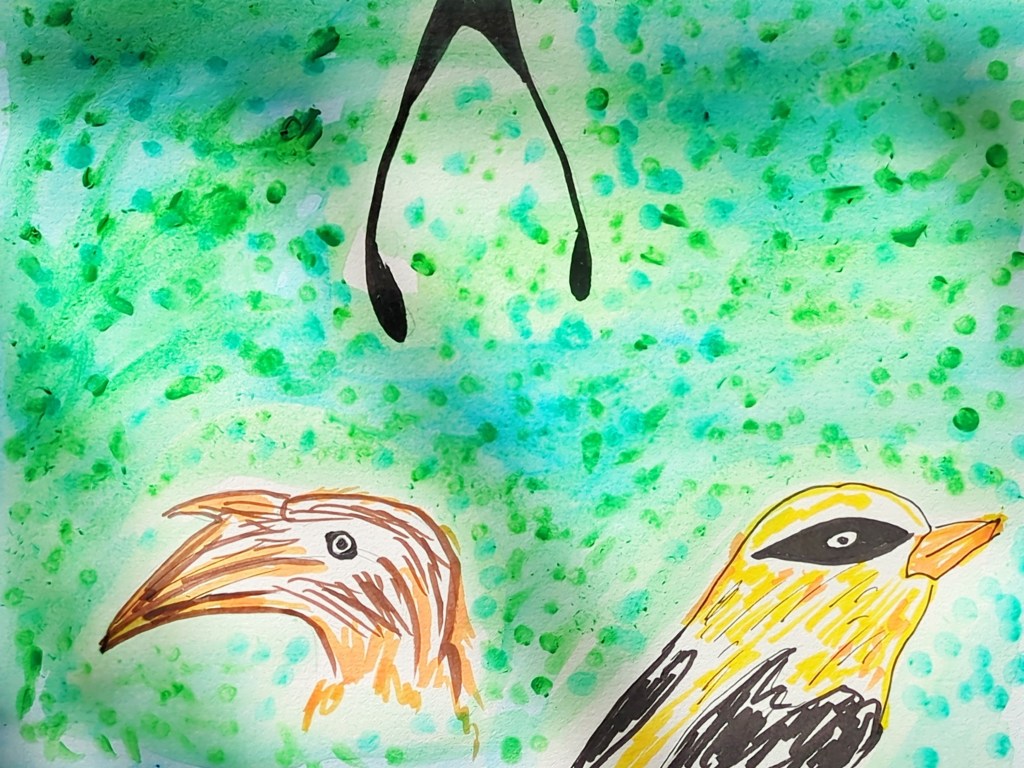
Looking back, I still remember the excitement of my early “discoveries”—the Greater Racket-tailed Drongo, the Golden Oriole, and the Hornbill. I didn’t had a camera at that time, and all these are the pure memories I still carry.
From the memories
From Library Books to Google Lens
Fast forward to today, We have phone camera’s with zoom which can challenge even a DSLR. Taking a picture, and then asking Google Search, Google Lens, and ChatGPT can do instant identification. You can get the bird’s name, its habitat, population details, and even similar species—all in a matter of seconds.
Projects like ebird.org are indeed a blessing for bird lovers. You can access a wealth of information. You can also contribute by adding your own sightings. This helps build a global bird watching community. It’s amazing how technology has transformed the way we connect with nature!
Bird Watching – At bird-eye level
At the bird’s level
I recently moved to a new place in Pune. What truly captivated me was the view of the trees and birds outside my large windows. As a child, I always dreamed of being at the level of the birds. However, that was something I could never quite experience.
In today’s digital age, where bird photos are available in plenty, why bother taking more with my basic camera? Apart from the probability of a “new discovery” (pun intended), what I truly enjoy is the chance to observe them up close. Through my lens, I can watch their every move—what they eat, how they interact, and whether they take a mid-afternoon nap.
I still find myself wondering about the simple mysteries of their lives: Where do they sleep at night? What do they communicate with each other? And why do they travel so far, even when they already know where the food is?Do they fight with other species ?
Next Generation
I wonder if today’s children still share the same curiosity about birds that we once did. Do they experience the same sense of wonder and joy that our generation had, or has the fast-paced digital world overshadowed the simple pleasures of observing nature up close?
This makes me appreciate the beauty of those childhood moments even more.



 The art of Slowing Down